What is a monster?
A monster is shown in great detail in both books. From a monster that is created by a human being to a monster being created by spirits and thoughts. This is shown in both books when Victor von Frankenstein has made a creation from his own hands and when the witches start to tell Macbeth that he will become king and what not. A monster is someone who is mentally and physically different from what we would consider and normal human being. If you were to "Google" what a monster was you would get a noun for something that is an imaginary creature that is typically large, ugly, and frightening. This is what most humans believe a monster is, but really in Frankenstein and Macbeth this is not true. Macbeth is mentally triggered to becoming a monster because the witches are changing his real thoughts to what they believe is true. Macbeth mentally deteriorates and becomes a totally different person after listening to the witches multiple times. Victor has created an actual monster to definition, but this monster that he has created is mentally ill too. He figures out that he does have feeling and wants to be able to love somebody, so he starts killing people to show and tell Victor that he is trying to be known and is trying to find true love.
Why and when do Macbeth and Victor become uncontrollable in their actions?
In the paly Macbeth, Macbeth's mind has vitrually been taken by the witches. He is persuaded to kill the king and in that process he is told that he will become king. The witches are putting this certain image into his mind and that makes him pretty well go insane. His state of mind has changed dirastically and he is now almost ill because of it. In Victors case he did this to himself. In the building of the creation, he thinks everything is going to go over well, but he starts to regret making this creation. He is obviously mentally ill because he is digging up dead remains from a grave site to make this particual creation. When the monster becomes alive, it starts going pretty well uncontrollable and Victor goes insane. His mental state is ill as well and he is unwilling to be apart of his family because he is too overwelmed at his descion of making this monster. Victor cannot regret enough of making this monster because it is killing all of his family member and close friends. Victor then goes on to misleading the monster on his wedding night. He thinks that the monster is going to kill him but the monster is set to kill his wife, Elizabeth. He is then tremendously uncontrollably upset and is set to find the monster. The monster ends up killing Victor on his ventures.
Why do you think Victor created the monster? Explain why and the factors that influenced him.
I believe that Victor created the monster to feel power in some sense and I believe that Victor wanted to create the monster because the challenge was at hand and he wanted to see if he could accomplish it. This makes Victor strive more to make the monster become and to feel this power. Creating this monster is a big task and will take a lot of time, strengeth, patients, and thought. Victor was an intellegent man and I beleive that he knew that he could do it. This brings me to think that Victor wanted to be like God and have some aspects like God. God has a lot of power and that is something that Victor wanted to feel. Victor most likely wanted to have the same power as God because he would be able to bring "body parts" to life and make it a creature that lives.
What is th signifigance of Lady Macbeth's unsex me scene?
I believe that Lady Macbeth wanted to be the one in power and not her husband. This may show that she is selfish in a way because she is the one wanting the attention. This also shows that she feels that women don't have a lot of power in the world. Back in her time, women really didn't have much power because the king must be a male (and it still is today) and the lady was to be the queen. I understand that this is still a major factor in soceity today, but that still doesn't mean that she could go and try to become something else to feel like she has power. She is wanting to become fully a man, and not endure the female body parts in her life. She wants all of those parts taken away and wants to be masculan so she can have the power of a man.
What are the similarities and differences in Macbeth and Victor? List 8 different similarities and differences in them.
Victor and Macbeth are similar and different in many ways. When brainstorming ideas, i could find more similarities than differences. Macbeth and Victor both go crazy and are mentally ill because of their descions and what people had been telling them. They both have a vision in their minds and are set to that goal that they have in their mind and strive to accomplish it. Macbeth and Victor both had lovers in their lives and that was also a problem and conflict in the story because in Macbeth, Lady Macbeth wants to be the man so she can have more power over Macbeth and become king. Where in Frankenstein, Victor misreads the monster and thinks that he is set to kill Victor so Victor goes away from Elizabeth to keep her safe, but little did he know, the monster was out to kill Elizabeth. In both stories, the objective is to kill someone or something to obtain power or get rid of a bad thing like when Macbeth needs to kill the king to obtain power, or when Victor has to kill the monster to get him out of his life and to stop him from killing his family. Some differences that i found in Macbeth and Victor was that Victor has to create a monster to feel power and Macbeth has to kill the king to obtain power.
(Rough Brainstorm)
similar
-both go crazy
-both have a vision set in their mind
-both have a goal that they believe they can achieve
-both have lovers
-both have to kill someone or something to obtain power or get rid of the bad things
-both mentally ill
differences
-victor creates a monster and macbeth is the monster
-victor is looking at a creation when macbeth is looking at a death to become powerous
Thursday, June 16, 2011

Solioquies for Macbeth
Act 1 Scene 5- Lady Macbeth
The raven himself is hoarse
That croaks the fatal entrance of Duncan
Under my battlements. Come, you spirits
That tend on mortal thoughts, unsex me here,
And fill me from the crown to the toe top-full
Of direst cruelty! make thick my blood;
Stop up the access and passage to remorse,
That no compunctious visitings of nature
Shake my fell purpose, nor keep peace between
The effect and it! Come to my woman's breasts,
And take my milk for gall, you murdering ministers,
Wherever in your sightless substances
You wait on nature's mischief! Come, thick night,
And pall thee in the dunnest smoke of hell,
That my keen knife see not the wound it makes,
Nor heaven peep through the blanket of the dark,
To cry 'Hold, hold!'
That croaks the fatal entrance of Duncan
Under my battlements. Come, you spirits
That tend on mortal thoughts, unsex me here,
And fill me from the crown to the toe top-full
Of direst cruelty! make thick my blood;
Stop up the access and passage to remorse,
That no compunctious visitings of nature
Shake my fell purpose, nor keep peace between
The effect and it! Come to my woman's breasts,
And take my milk for gall, you murdering ministers,
Wherever in your sightless substances
You wait on nature's mischief! Come, thick night,
And pall thee in the dunnest smoke of hell,
That my keen knife see not the wound it makes,
Nor heaven peep through the blanket of the dark,
To cry 'Hold, hold!'
This scene is taking place in the castle where Lady Macbeth and Macbeth are present. Lady Macbeth spralls herself out on an item and starts saying a description of what she is feeling to the spirits. Basically what is happening is that Lady Macbeth is telling the spirits that even the mightiest bird is not able to succeed life past Duncan. When she continues on saying "Unsex me", that means that she wants to be a male and have power over everyone. The whole time she is saying this, she is lifting herself up and thrusting around, almost in a sexual way. She goes on to say that she wants all of her milk from her women breasts to be gone, and this is because she wants everything that makes her a women, gone.
Act 1 Scene 7- Macbeth
If it were done when 'tis done, then 'twere well
It were done quickly: if the assassination
Could trammel up the consequence, and catch
With his surcease success; that but this blow
Might be the be-all and the end-all here,
But here, upon this bank and shoal of time,
We'ld jump the life to come. But in these cases
We still have judgment here; that we but teach
Bloody instructions, which, being taught, return
To plague the inventor: this even-handed justice
Commends the ingredients of our poison'd chalice
To our own lips. He's here in double trust;
First, as I am his kinsman and his subject,
Strong both against the deed; then, as his host,
Who should against his murderer shut the door,
Not bear the knife myself. Besides, this Duncan
Hath borne his faculties so meek, hath been
So clear in his great office, that his virtues
Will plead like angels, trumpet-tongued, against
The deep damnation of his taking-off;
And pity, like a naked new-born babe,
Striding the blast, or heaven's cherubim, horsed
Upon the sightless couriers of the air,
Shall blow the horrid deed in every eye,
That tears shall drown the wind. I have no spur
To prick the sides of my intent, but only
Vaulting ambition, which o'erleaps itself
And falls on the other.
It were done quickly: if the assassination
Could trammel up the consequence, and catch
With his surcease success; that but this blow
Might be the be-all and the end-all here,
But here, upon this bank and shoal of time,
We'ld jump the life to come. But in these cases
We still have judgment here; that we but teach
Bloody instructions, which, being taught, return
To plague the inventor: this even-handed justice
Commends the ingredients of our poison'd chalice
To our own lips. He's here in double trust;
First, as I am his kinsman and his subject,
Strong both against the deed; then, as his host,
Who should against his murderer shut the door,
Not bear the knife myself. Besides, this Duncan
Hath borne his faculties so meek, hath been
So clear in his great office, that his virtues
Will plead like angels, trumpet-tongued, against
The deep damnation of his taking-off;
And pity, like a naked new-born babe,
Striding the blast, or heaven's cherubim, horsed
Upon the sightless couriers of the air,
Shall blow the horrid deed in every eye,
That tears shall drown the wind. I have no spur
To prick the sides of my intent, but only
Vaulting ambition, which o'erleaps itself
And falls on the other.
This is taking place outside the tower where is has no idea what to do. He plants his head in the wall to think and feel like he is not being seen. He is thinking about what will and could happen when he plans to kill Duncan. He is going through all of the different steps in percussion to killing Duncan and wants all of the pain and consequences to go away. He is thinking about skiiping the life to come. He starts to say that people make bad decisions and they can come back to haunt you in the future, and he is not wanting that to happen. But all he can think about is if he kills Duncan he is king. The king trusts the man and has a lot of respect for him because one, he is his cousin and two he was Duncan's host for the night and nobody would have the guts to do such a thing. Macbeth is feeling the guilt already and hasn't even killed Duncan, he goes on to thinking what the town will think when Duncan is dead, the will be sad and filled with pity.
Act 2 Scene 1- Macbeth
Is this a dagger which I see before me,
The handle toward my hand? Come, let me clutch thee.
I have thee not, and yet I see thee still.
Art thou not, fatal vision, sensible
To feeling as to sight? or art thou but
A dagger of the mind, a false creation,
Proceeding from the heat-oppressed brain?
I see thee yet, in form as palpable
As this which now I draw.
Thou marshall'st me the way that I was going;
And such an instrument I was to use.
Mine eyes are made the fools o' the other senses,
Or else worth all the rest; I see thee still,
And on thy blade and dudgeon gouts of blood,
Which was not so before. There's no such thing:
It is the bloody business which informs
Thus to mine eyes. Now o'er the one halfworld
Nature seems dead, and wicked dreams abuse
The curtain'd sleep; witchcraft celebrates
Pale Hecate's offerings, and wither'd murder,
Alarum'd by his sentinel, the wolf,
Whose howl's his watch, thus with his stealthy pace.
With Tarquin's ravishing strides, towards his design
Moves like a ghost. Thou sure and firm-set earth,
Hear not my steps, which way they walk, for fear
Thy very stones prate of my whereabout,
And take the present horror from the time,
Which now suits with it. Whiles I threat, he lives:
Words to the heat of deeds too cold breath gives.
This soliloquy discusses what Macbeth is feeling when he goes to get the dagger to kill Duncan. Guilt is hitting him and he starts to second guess himself. On his way to get the dagger in the dark filled room, he starts to close his eyes to see if it was a dream and if it was really real. He realizes that this moment is truly real and proceeds to grab the dagger. It points in the direction of Duncan's room but he notices something suspicious... there is already blood on it. He believes that it is the violence and anger inside of him that is coming out. He then proceeds to kill the king with making not a bit of noise.
Act 5 Scene 5- Macbeth
Act 2 Scene 1- Macbeth
Is this a dagger which I see before me,
The handle toward my hand? Come, let me clutch thee.
I have thee not, and yet I see thee still.
Art thou not, fatal vision, sensible
To feeling as to sight? or art thou but
A dagger of the mind, a false creation,
Proceeding from the heat-oppressed brain?
I see thee yet, in form as palpable
As this which now I draw.
Thou marshall'st me the way that I was going;
And such an instrument I was to use.
Mine eyes are made the fools o' the other senses,
Or else worth all the rest; I see thee still,
And on thy blade and dudgeon gouts of blood,
Which was not so before. There's no such thing:
It is the bloody business which informs
Thus to mine eyes. Now o'er the one halfworld
Nature seems dead, and wicked dreams abuse
The curtain'd sleep; witchcraft celebrates
Pale Hecate's offerings, and wither'd murder,
Alarum'd by his sentinel, the wolf,
Whose howl's his watch, thus with his stealthy pace.
With Tarquin's ravishing strides, towards his design
Moves like a ghost. Thou sure and firm-set earth,
Hear not my steps, which way they walk, for fear
Thy very stones prate of my whereabout,
And take the present horror from the time,
Which now suits with it. Whiles I threat, he lives:
Words to the heat of deeds too cold breath gives.
This soliloquy discusses what Macbeth is feeling when he goes to get the dagger to kill Duncan. Guilt is hitting him and he starts to second guess himself. On his way to get the dagger in the dark filled room, he starts to close his eyes to see if it was a dream and if it was really real. He realizes that this moment is truly real and proceeds to grab the dagger. It points in the direction of Duncan's room but he notices something suspicious... there is already blood on it. He believes that it is the violence and anger inside of him that is coming out. He then proceeds to kill the king with making not a bit of noise.
Act 5 Scene 5- Macbeth
Tomorrow, and tomorrow, and tomorrow,
Creeps in this petty pace from day to day
To the last syllable of recorded time,
And all our yesterdays have lighted fools
The way to dusty death. Out, out, brief candle!
Life's but a walking shadow, a poor player
That struts and frets his hour upon the stage
And then is heard no more: it is a tale
Told by an idiot, full of sound and fury,
Signifying nothing.
Creeps in this petty pace from day to day
To the last syllable of recorded time,
And all our yesterdays have lighted fools
The way to dusty death. Out, out, brief candle!
Life's but a walking shadow, a poor player
That struts and frets his hour upon the stage
And then is heard no more: it is a tale
Told by an idiot, full of sound and fury,
Signifying nothing.
This is spoken by Macbeth when he is talking about how long a day is and how they are always the same as yesterday and tomorrow. He says, "Out, out, brief candle! Life's but a walking shadow", this is telling us that there are many candles in life that should be blown out. This means that the candles that should be blown out are signs that people should just die. When Macbeth goes on to say, "Life's but a walking shadow, a poor player that struts and frets his hour upon stage" he is describing an actors life, like how they can go on stage for a hour and then just leave. He is just feeling like life is pointless and doesn't really feel like he should be there anymore.
Paracelus, Agrippa, Cornelius
Auroleus Phillipus Theostratus Bombastus von Hohenheim was raised in Switzerland and was born in 1493. His mother died when he was a young fellow so his father took care of him. While Paracelus grew up, he was always around medical topics because his father was a well known physican. Therefore, Paracelus went to school at the University of Basle and finsished with a degree of docoate. He was known as "the precursor of chemical pharamcology and therapeutics and the most original medical thinker of the sixteenth century." This guy relates to Frankenstein because in the book Victor is expirementing with chemical when he is creating the monster.

Marcus Vipsanuins Agrippa was born 63 BC and was a general and liuentenant. He was in many different battles and was soon to become the future Emperor Caear Augustus. He was in the Roman Army and was very sucessful. There were plenty of building built during his life where he lived. Agrippa relates to Frankenstein because in the book Victor has to deal with plenty of conflicts with the monster and that is what Agrippa had to do to make everyone listen to his commands.

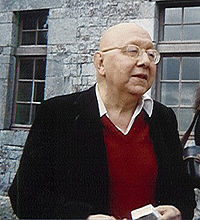
Cornelius Castoriadis was born in France on March 11, 1922. He was well known for his writting but also had a passion in philosphy, economist and psychoanalyst. Cornelius reflects to the book Frankestein becuase of all letters that Walton writes at the started of the book to his sister. Walton and Cornelius were both writters.
Marcus Vipsanuins Agrippa was born 63 BC and was a general and liuentenant. He was in many different battles and was soon to become the future Emperor Caear Augustus. He was in the Roman Army and was very sucessful. There were plenty of building built during his life where he lived. Agrippa relates to Frankenstein because in the book Victor has to deal with plenty of conflicts with the monster and that is what Agrippa had to do to make everyone listen to his commands.

Cornelius Castoriadis was born in France on March 11, 1922. He was well known for his writting but also had a passion in philosphy, economist and psychoanalyst. Cornelius reflects to the book Frankestein becuase of all letters that Walton writes at the started of the book to his sister. Walton and Cornelius were both writters.

Monday, June 6, 2011
Analysis of Chapters 11-16
aI hope point form is okay for you..
Chapter 11
-the moster tells Victor a story about finding fire
-therefore the monster investigates the fire and discovers that the ambers are hot and they eventually burn his hand
-he then realizes that wood keeps the fire going and that food is more enjoyable when it is cooked under the hot fire
-these are showing that the monster is willing to be avdenturous just like Victor
-the monster decides to find himself some food for a meal, when he finds a hunt and decides to join it
-during the hunt, he is noticed by an old man
-that old man is terrified and runs away in terror
-the monster decides to stay away from humans and makes his way to the village
-when the humans in the village sight the moster, they also all run away in terror
-he finds himself a small enclosed area that he decides to stay in
-since he is adventurous he starts to look around and finds out that he can see through a hole that is on the side of the cottage
-this is when we are introduced to the two cottagers
-however, the cottagers do not know that he monster is watching them
Chapter 12
-the monster is basically living in the little hut and starts to understand that the body languages of the cottagers are tense
-he notices that they are tense because the fact of poverty and he isnt helping that becuase he is stealing some of their food in order to live
-devistated, he starts fetching wood and leaving it at the front door for then to descover it in the morning
-the monster is showing that he cares for others and wants the best for others aswell, a characteristic of caring
-he starts to notice that the cottagers are becoming happier and notices that they are making strang noises
-curious (another characteristic), he starts to listen to them and learn their language
-he also learns the cottagers names, Agatha and Felix
-he catches a glimse of himself in a pool of water and is discusted at his ugliness
-he spends the rest of the winter in his little hut and feels a connection to the cottagers
Chapter 13
-a new character is introduced in this chapter named Safie who is very beautiful
-she does not know how to speak their language but Felix teacher her their language, therefore she learns how to read
-she also learns some history too
-the monster realizes that he is alone and wants somebody
Chapter 14
-after listening to the cottagers conversations he finds out the history of the cottagers
-he finds out that Da Lacey had two children, Felix and Agatha
-they were well-known in Paris
-Safie's father was accused of murder and was sentenced to death when Felix went to go and see this Turkish man
-Felix falls in love with Safie and they eventually get the dad out of jail by escaping
-Safie would send Felix letters of thanks
Chapter 15
-the monster goes out of his little "hut" at night time in search of food
-on his adventures, he finds a sachel that contains clothes and books
-since the monster has the ability to read he decideds to open the books and read them
-in one of the books he has some suspion of similar situations that he character in the books is feeling
-in outrage, he scavenges through his stole clothes from Victors appartment and finds a page that is ripped out of Victors journal
-in the letter he reads how Victor is understanding what a horrific creature he has created
-the monster is obviously feeling down on himself and thinks it is a good idea to introduce himself to the cottagers for the first, real time
-he believes that if he approaches De Lacey that he will win him over Felix, Safie and Agatha
-he believes that De Lacey will be able to see past to looks of the monster and see what is inside
-a perfect oppurtunity occurs when Felix, Agatha and Safie go for a stroll
-the monster enters the cottage and unexpectadly arrives the rest of the clan
-Felix shoes off the monster in dismay
Chapter 16
-the monsters is so upset and leaves the cottagers "hut" and makes his way to Geneva
-on his travels, he spots a young girl and starts conversation with her
-he notices that she has slipped in the river and appears to be drowning
-the monsters first instinct is to help the little girl and is sucessful
-the guy that is with her accuses him of trying to kill her and shoots him
-the monster is terrified and starts running to Geneva
-he comes across Victors little brother, William and starts into outrage
-he strangles the child to death and takes the picture that he had been holding on too
-the monster proceeds fold the picture and put it in Justine Moritz' pocket who is sleeping in the barn
-she is convicted of the boys murder
-Victor is devistated about the death of his brother
-the monster asks Victor for another creation
Chapter 11
-the moster tells Victor a story about finding fire
-therefore the monster investigates the fire and discovers that the ambers are hot and they eventually burn his hand
-he then realizes that wood keeps the fire going and that food is more enjoyable when it is cooked under the hot fire
-these are showing that the monster is willing to be avdenturous just like Victor
-the monster decides to find himself some food for a meal, when he finds a hunt and decides to join it
-during the hunt, he is noticed by an old man
-that old man is terrified and runs away in terror
-the monster decides to stay away from humans and makes his way to the village
-when the humans in the village sight the moster, they also all run away in terror
-he finds himself a small enclosed area that he decides to stay in
-since he is adventurous he starts to look around and finds out that he can see through a hole that is on the side of the cottage
-this is when we are introduced to the two cottagers
-however, the cottagers do not know that he monster is watching them
Chapter 12
-the monster is basically living in the little hut and starts to understand that the body languages of the cottagers are tense
-he notices that they are tense because the fact of poverty and he isnt helping that becuase he is stealing some of their food in order to live
-devistated, he starts fetching wood and leaving it at the front door for then to descover it in the morning
-the monster is showing that he cares for others and wants the best for others aswell, a characteristic of caring
-he starts to notice that the cottagers are becoming happier and notices that they are making strang noises
-curious (another characteristic), he starts to listen to them and learn their language
-he also learns the cottagers names, Agatha and Felix
-he catches a glimse of himself in a pool of water and is discusted at his ugliness
-he spends the rest of the winter in his little hut and feels a connection to the cottagers
Chapter 13
-a new character is introduced in this chapter named Safie who is very beautiful
-she does not know how to speak their language but Felix teacher her their language, therefore she learns how to read
-she also learns some history too
-the monster realizes that he is alone and wants somebody
Chapter 14
-after listening to the cottagers conversations he finds out the history of the cottagers
-he finds out that Da Lacey had two children, Felix and Agatha
-they were well-known in Paris
-Safie's father was accused of murder and was sentenced to death when Felix went to go and see this Turkish man
-Felix falls in love with Safie and they eventually get the dad out of jail by escaping
-Safie would send Felix letters of thanks
Chapter 15
-the monster goes out of his little "hut" at night time in search of food
-on his adventures, he finds a sachel that contains clothes and books
-since the monster has the ability to read he decideds to open the books and read them
-in one of the books he has some suspion of similar situations that he character in the books is feeling
-in outrage, he scavenges through his stole clothes from Victors appartment and finds a page that is ripped out of Victors journal
-in the letter he reads how Victor is understanding what a horrific creature he has created
-the monster is obviously feeling down on himself and thinks it is a good idea to introduce himself to the cottagers for the first, real time
-he believes that if he approaches De Lacey that he will win him over Felix, Safie and Agatha
-he believes that De Lacey will be able to see past to looks of the monster and see what is inside
-a perfect oppurtunity occurs when Felix, Agatha and Safie go for a stroll
-the monster enters the cottage and unexpectadly arrives the rest of the clan
-Felix shoes off the monster in dismay
Chapter 16
-the monsters is so upset and leaves the cottagers "hut" and makes his way to Geneva
-on his travels, he spots a young girl and starts conversation with her
-he notices that she has slipped in the river and appears to be drowning
-the monsters first instinct is to help the little girl and is sucessful
-the guy that is with her accuses him of trying to kill her and shoots him
-the monster is terrified and starts running to Geneva
-he comes across Victors little brother, William and starts into outrage
-he strangles the child to death and takes the picture that he had been holding on too
-the monster proceeds fold the picture and put it in Justine Moritz' pocket who is sleeping in the barn
-she is convicted of the boys murder
-Victor is devistated about the death of his brother
-the monster asks Victor for another creation
Friday, May 6, 2011
Macbeth Essay
"Will all great Neptune's ocean wash this blood/Clean from my hand? No, this my hand will rather/The multitudinous seas incarnadine, /Making the green one red." (2.2. 60-63) Macbeth, the great King of Scotland, committed an unforgivable deed, murder. He will never be able to take back his actions, or "wash" the guilt away and purify himself. As Shakespeare demonstrates in his insightful plays, one who commits an act of sin will forever pay for their actions, including their loved ones. The suffering Macbeth experiences would be considered karma, the principle of justice that determines a person's state of life as the effect of their past deeds. Macbeth's thoughts and emotions haunt him, and eventually drive him to the point of insanity and numbness, provoking him to continue to commit harmful acts. The stages of Macbeth’s devastating downfall as a tragic hero are the establishment of his power and character flaw, the reversal of his fortune, and catharsis and restoration of social order.
To begin, the first stage of Macbeth’s devastating downfall as a tragic hero is the establishment of his power and character flaw. Macbeth is a very prominent person throughout Scotland, with both the royal family and the villagers. The admiration towards Macbeth does not go unnoticed by the King, therefore, when the Thane of Cawdor is murdered for his evil ways, Macbeth is well deserving of the honourable title. King Duncan proudly stated that "What he [Thane of Cawdor] hath lost noble Macbeth hath won" (1.3.69). Macbeth may not realize it himself, but he has the King and the people of Scotland under his charming spell. Now that Macbeth has had a glimpse of what his life could potentially be like as King, he is driven to achieve a higher royal title. The strong ambition behind Macbeth’s actions appears innocent, but will soon be proven to be fallacious: "The Prince of Cumberland! That is a step/ On which I must fall down, or else o’er-leap, / For in my way it lies. Stars, hide your fires! / Let not light see my black and deep desires" (1.4.48). Through personification, Macbeth’s flaw, a deadly drive, is now becoming noticeable. He is still thought to be an honourable man, but his determination is slowly becoming stronger. Also, when Macbeth and Banquo come across the three old witches, they predict to the men that Macbeth will become King, and Banquo’s sons are also in line for the throne. Macbeth’s lifelong dream is now almost within grasp, and he will do whatever it takes to gain the title of King. Macbeth voices his master plan to Lady Macbeth, "My dearest love, /Duncan comes here tonight... O never/ Shall sun that morrow see!" (1.5.58-60). Lady Macbeth, Macbeth’s wife, has the same driven determination as her husband: "To beguile the time, / Look like the time; bear welcome in your eye, / Your hand, your tongue: look like the innocent/ flower/ But be the serpent under’t" (1.5.63-65). Macbeth does consider that killing King Duncan is wrong, but his drive is too strong for him to ignore. The goal that Macbeth has set for himself, which is to become King, is very unrealistic in terms of occurring naturally, but his ambition is deadly, which creates a fatal flaw for himself. Thus, the first stage of Macbeth’s devastating downfall as a tragic hero is the establishment of his power and character flaw.
Next, the second stage of Macbeth’s devastating downfall as a tragic hero is the reversal of his fortune. Macbeth turns his murderous plan into reality during King Duncan’s stay at his castle by murdering him in his sleep: "I have done the deed" (2.2.15). Lady Macbeth offered her husband words of advice: "These deeds must not be thought/ After these ways; so, it will make us mad" (2.2.33-34). This act of murder demonstrates Macbeth’s devastating flaw as a tragic hero. After the deed was committed, guilt and paranoia overwhelm Macbeth thoughts. Even though he has now gained the title of King, he is still not content: "They hail’d him [Banquo] father to a line of Kings. / Upon my head they plac’d a fruitless crown" (3.1.60-61). Macbeth’s insecurity is proven effectively through this metaphor. In order to solve Macbeth’s predicament, he decides to eliminate the possibility of Banquo’s sons becoming royalty by having them killed: "Fleance is scap’d/... but Banquo’s safe? / Ay, my good lord; safe in a ditch he bides,/ With twenty trenched gashes on his head" (3.4.20-27). At this point in time, Macbeth is beginning to lose all sense of reality, all in order to secure his kingship. Even though Macbeth has successfully accomplished his goal of being King, he cannot even enjoy it with all of the nightmares and hallucinations he is having due to his overwhelming paranoia. Macbeth encounters the three witches for a second time, and they tell him three prophecies related to the security of his kingship. He learns that he must be aware of Macduff, for he may cause Macbeth to lose his crown. Again, he creates a master plan to further himself. To intimidate Macduff and prove that he does not fear him, he takes action against Macduff’s family: "Your castle is supris’d; your wife and babes/ Savagely slaughter’d; to relate the manner/ Were, on the quarry of these murder’d deer,/ To add the death of you" (4.3.204-207).Macbeth’s fatal flaw of deadly determination is overtaking his life, and is causing himself much remorse and regret. Therefore, the second stage of Macbeth’s devastating downfall as a tragic hero is the reversal of his fortune.
Finally, the third stage of Macbeth’s devastating downfall as a tragic hero is the catharsis and restoration of social order. Macbeth has selfishly taken many innocent villagers lives, all to better himself, which in turn negatively affects Scotland, for their King is a murderer. Many citizens are starting to see that their King’s motives are not as pure and innocent as they thought. They know they need to stop his murderous rampage before more lives are lost. An army of 10 000 men, led by Malcolm and Siward, plan on killing Macbeth for betraying the Kingdom: "The English power is near, led on my Malcolm/ His uncle Siward, and the good Macduff./ Revenges burn in them" (5.2.1-3). Through a metaphor, it is demonstrated that the men’s wants for revenge is deadly, and burns inside them almost like a fire. Macbeth is finally to be murdered, which is what he deserves. Once the army invades Macbeth’s castle, Macduff successfully beheads the King: "Behold, where stands/ The usurper’s cursed head/... Hail, King of Scotland!" (5.7.83-88). As one can see, Macbeth’s single devastating character flaw, ambition, overtakes who he is, and what his morals are. Now that the King has been beheaded, relief is among the people of Scotland. Malcolm is then rightfully crowned King: "We will perform in measure, time, and place. / So, thanks to all at once, and to each one, / Whom we invite to see us crown’d at Scone" (5.7.102-104). Malcolm has brought harmony back to Scotland, which allows the innocent exiled people to return to their homeland. In summary, the third stage of Macbeth’s devastating downfall as a tragic hero is the catharsis and restoration of social order.
Overall, the stages of Macbeth’s devastating downfall as a tragic hero are the establishment of his power and character flaw, the reversal of his fortune, and catharsis and restoration of social order. A man named Tryon Edwards once said, "Thoughts lead on to purposes; purposes go forth in action; actions form habits; habits decide character; and character fixes our destiny." The actions and decisions that are made daily are that most important components in terms of shaping a character and destiny. Always think before acting, and evaluate how an action will make others think or feel, for karma is not always kind. Knowing the distinct difference between right and wrong will be a strong influence on decision making: "It's not hard to make decisions when you know what your values are" (Roy Disney).
To begin, the first stage of Macbeth’s devastating downfall as a tragic hero is the establishment of his power and character flaw. Macbeth is a very prominent person throughout Scotland, with both the royal family and the villagers. The admiration towards Macbeth does not go unnoticed by the King, therefore, when the Thane of Cawdor is murdered for his evil ways, Macbeth is well deserving of the honourable title. King Duncan proudly stated that "What he [Thane of Cawdor] hath lost noble Macbeth hath won" (1.3.69). Macbeth may not realize it himself, but he has the King and the people of Scotland under his charming spell. Now that Macbeth has had a glimpse of what his life could potentially be like as King, he is driven to achieve a higher royal title. The strong ambition behind Macbeth’s actions appears innocent, but will soon be proven to be fallacious: "The Prince of Cumberland! That is a step/ On which I must fall down, or else o’er-leap, / For in my way it lies. Stars, hide your fires! / Let not light see my black and deep desires" (1.4.48). Through personification, Macbeth’s flaw, a deadly drive, is now becoming noticeable. He is still thought to be an honourable man, but his determination is slowly becoming stronger. Also, when Macbeth and Banquo come across the three old witches, they predict to the men that Macbeth will become King, and Banquo’s sons are also in line for the throne. Macbeth’s lifelong dream is now almost within grasp, and he will do whatever it takes to gain the title of King. Macbeth voices his master plan to Lady Macbeth, "My dearest love, /Duncan comes here tonight... O never/ Shall sun that morrow see!" (1.5.58-60). Lady Macbeth, Macbeth’s wife, has the same driven determination as her husband: "To beguile the time, / Look like the time; bear welcome in your eye, / Your hand, your tongue: look like the innocent/ flower/ But be the serpent under’t" (1.5.63-65). Macbeth does consider that killing King Duncan is wrong, but his drive is too strong for him to ignore. The goal that Macbeth has set for himself, which is to become King, is very unrealistic in terms of occurring naturally, but his ambition is deadly, which creates a fatal flaw for himself. Thus, the first stage of Macbeth’s devastating downfall as a tragic hero is the establishment of his power and character flaw.
Next, the second stage of Macbeth’s devastating downfall as a tragic hero is the reversal of his fortune. Macbeth turns his murderous plan into reality during King Duncan’s stay at his castle by murdering him in his sleep: "I have done the deed" (2.2.15). Lady Macbeth offered her husband words of advice: "These deeds must not be thought/ After these ways; so, it will make us mad" (2.2.33-34). This act of murder demonstrates Macbeth’s devastating flaw as a tragic hero. After the deed was committed, guilt and paranoia overwhelm Macbeth thoughts. Even though he has now gained the title of King, he is still not content: "They hail’d him [Banquo] father to a line of Kings. / Upon my head they plac’d a fruitless crown" (3.1.60-61). Macbeth’s insecurity is proven effectively through this metaphor. In order to solve Macbeth’s predicament, he decides to eliminate the possibility of Banquo’s sons becoming royalty by having them killed: "Fleance is scap’d/... but Banquo’s safe? / Ay, my good lord; safe in a ditch he bides,/ With twenty trenched gashes on his head" (3.4.20-27). At this point in time, Macbeth is beginning to lose all sense of reality, all in order to secure his kingship. Even though Macbeth has successfully accomplished his goal of being King, he cannot even enjoy it with all of the nightmares and hallucinations he is having due to his overwhelming paranoia. Macbeth encounters the three witches for a second time, and they tell him three prophecies related to the security of his kingship. He learns that he must be aware of Macduff, for he may cause Macbeth to lose his crown. Again, he creates a master plan to further himself. To intimidate Macduff and prove that he does not fear him, he takes action against Macduff’s family: "Your castle is supris’d; your wife and babes/ Savagely slaughter’d; to relate the manner/ Were, on the quarry of these murder’d deer,/ To add the death of you" (4.3.204-207).Macbeth’s fatal flaw of deadly determination is overtaking his life, and is causing himself much remorse and regret. Therefore, the second stage of Macbeth’s devastating downfall as a tragic hero is the reversal of his fortune.
Finally, the third stage of Macbeth’s devastating downfall as a tragic hero is the catharsis and restoration of social order. Macbeth has selfishly taken many innocent villagers lives, all to better himself, which in turn negatively affects Scotland, for their King is a murderer. Many citizens are starting to see that their King’s motives are not as pure and innocent as they thought. They know they need to stop his murderous rampage before more lives are lost. An army of 10 000 men, led by Malcolm and Siward, plan on killing Macbeth for betraying the Kingdom: "The English power is near, led on my Malcolm/ His uncle Siward, and the good Macduff./ Revenges burn in them" (5.2.1-3). Through a metaphor, it is demonstrated that the men’s wants for revenge is deadly, and burns inside them almost like a fire. Macbeth is finally to be murdered, which is what he deserves. Once the army invades Macbeth’s castle, Macduff successfully beheads the King: "Behold, where stands/ The usurper’s cursed head/... Hail, King of Scotland!" (5.7.83-88). As one can see, Macbeth’s single devastating character flaw, ambition, overtakes who he is, and what his morals are. Now that the King has been beheaded, relief is among the people of Scotland. Malcolm is then rightfully crowned King: "We will perform in measure, time, and place. / So, thanks to all at once, and to each one, / Whom we invite to see us crown’d at Scone" (5.7.102-104). Malcolm has brought harmony back to Scotland, which allows the innocent exiled people to return to their homeland. In summary, the third stage of Macbeth’s devastating downfall as a tragic hero is the catharsis and restoration of social order.
Overall, the stages of Macbeth’s devastating downfall as a tragic hero are the establishment of his power and character flaw, the reversal of his fortune, and catharsis and restoration of social order. A man named Tryon Edwards once said, "Thoughts lead on to purposes; purposes go forth in action; actions form habits; habits decide character; and character fixes our destiny." The actions and decisions that are made daily are that most important components in terms of shaping a character and destiny. Always think before acting, and evaluate how an action will make others think or feel, for karma is not always kind. Knowing the distinct difference between right and wrong will be a strong influence on decision making: "It's not hard to make decisions when you know what your values are" (Roy Disney).
Tuesday, April 12, 2011
jacqueline martin as president
President, one appointed or elected to preside over an organized body of people, such as an assembly or meeting. This is the "boring" way of describing what a president does. But if you know me, Jacqueline Martin, you will know I'm not the boring type. A president is a person elected that will change the student body for the better while making it fun and exciting for their peers. I know that I am suitable for this position because I can meet the needs of the student body and is willing to bring in new ideas. I am an enthusiastic person with a lot of energy who can get the job done.
As my friend Borat always says...
"I like you very much!"
This is something you will be saying if you vote me, Jacqueline Martin, president of 2011- 2012.
As my friend Borat always says...
"I like you very much!"
This is something you will be saying if you vote me, Jacqueline Martin, president of 2011- 2012.
Sunday, April 3, 2011
Siegfried Sassoon
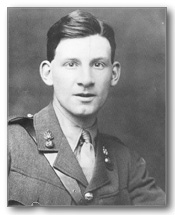
I found him in the guard-room at the Base.
From the blind darkness I had heard his crying
And blundered in. With puzzled, patient face
A sergeant watched him; it was no good trying
To stop it; for he howled and beat his chest.
And, all because his brother had gone west,
Raved at the bleeding war; his rampant grief
Moaned, shouted, sobbed, and choked, while he was kneeling
Half-naked on the floor. In my belief
Such men have lost all patriotic feeling.
From the blind darkness I had heard his crying
And blundered in. With puzzled, patient face
A sergeant watched him; it was no good trying
To stop it; for he howled and beat his chest.
And, all because his brother had gone west,
Raved at the bleeding war; his rampant grief
Moaned, shouted, sobbed, and choked, while he was kneeling
Half-naked on the floor. In my belief
Such men have lost all patriotic feeling.
Reading this poem I get the feeling of sadness. The more I read into the poem and feel what Siegfried is trying to write about, I start to feel that he is writing about a hostage that they took to the base. Throughout the reading you can tell that this person who has been put in the guard-room is hurt inside and wants to get out. You can feel that this person is someone who obviously didn’t deserve to be there. I researched a guard- room for World War 1 and this is a picture I found that would show somewhat good description of one.

I noticed that there is some light shining in from the left side of the photo; this tells me that it is not a room and that nobody can see or some sort of private room. It obviously is not a happy environment place to be in, more of a boring one to be in. I notice that there are maps on the board. This is showing me that this room is where the guard would stay and be in control of the base, the maps represent the building and where everything is. Half way through the poem, it talks about how the man is very uncomfortable there and is very upset. However, the last line talks about the man losing all patriotic feelings. When I researched what that meant, I learned that patriotism means that a person has great feelings for their own country (I soon realized that I did know what patriotism was). This tells me that this man is not impressed with his country and doesn’t want to have anything to do with it.
Subscribe to:
Comments (Atom)